

As coastal developments expand, innovative marina construction focuses on combining functionality, aesthetics, and sustainability. Modern projects prioritize eco-friendly solutions, using materials and designs that minimize environmental impact, protect marine ecosystems, and enhance water quality. From floating docks made of recycled materials to energy-efficient lighting and waste management systems, these marinas demonstrate that infrastructure can be both practical and environmentally responsible. Embracing such innovations allows communities and businesses to enjoy waterfront amenities while safeguarding natural resources for future generations. So, are you ready to explore innovative marina construction with eco-friendly solutions?
Building Modern Marinas with Sustainable Techniques: The Future of Waterfront Development
Modern marina construction is transforming waterfront development through sustainable innovation and eco-friendly design principles. According to the International Marina Institute, marina projects incorporating green technologies showed a 35% increase in operational efficiency in 2024. How can your next waterfront project balance environmental responsibility with commercial success? Leading developers are turning to specialized expertise from companies like https://www.poralu.com to implement cutting-edge sustainable solutions that protect marine ecosystems while delivering exceptional functionality.
Why Environmental Considerations Drive Modern Marina Design
Environmental protection has become the cornerstone of contemporary marina development, fundamentally reshaping how waterfront facilities are conceived and constructed. Today's marina designers must navigate complex ecological requirements while delivering functional spaces that serve both boaters and marine ecosystems.
The protection of marine habitats drives every aspect of modern marina planning. Engineers now prioritize materials and construction methods that minimize disruption to seafloor sediments and water quality. Advanced pile installation techniques reduce noise pollution that affects marine wildlife, while carefully planned layouts preserve natural water circulation patterns essential for ecosystem health.
Carbon footprint reduction influences material selection and operational systems throughout marina projects. Solar-powered utilities, energy-efficient lighting, and locally sourced construction materials have become standard considerations. These choices not only reduce environmental impact but often provide long-term operational savings for marina owners.
Stringent environmental regulations now govern every phase of marina development, from initial permitting through ongoing operations. Compliance with water quality standards, wildlife protection laws, and coastal zone management requirements demands specialized expertise and careful project coordination to ensure successful project delivery.
Essential Sustainable Materials for Contemporary Marina Construction
Modern marina construction increasingly relies on sustainable materials that withstand harsh marine environments while minimizing environmental impact. These eco-friendly alternatives offer superior durability and reduce long-term maintenance costs for waterfront developments.
Today's environmentally conscious marina projects incorporate innovative materials that balance performance with ecological responsibility. Each material brings specific advantages for marine infrastructure applications.
- Recycled aluminum - Corrosion-resistant, lightweight structure that requires 95% less energy to produce than virgin aluminum, making it ideal for docks and walkways
- Bio-sourced composites - Manufactured from natural fibers and recycled plastics, these materials offer excellent UV resistance and eliminate toxic leaching into water
- Permeable concrete - Allows water filtration while reducing runoff, supporting natural water cycle processes and preventing erosion around marina foundations
- FSC-certified timber - Responsibly harvested wood treated with eco-friendly preservatives that maintain structural integrity without harming marine ecosystems
These sustainable options demonstrate that environmental stewardship and structural performance can coexist effectively. Marina developers who choose these materials create facilities that serve communities while protecting the waterways they depend on.
Navigating Permits and Regulations for Waterfront Projects
Waterfront development projects operate within a complex web of environmental and maritime regulations that vary significantly by location and project scope. Understanding this regulatory landscape early in the planning process can save months of delays and substantial costs down the line.
Environmental permits typically form the cornerstone of any marina development approval process. These assessments examine potential impacts on marine ecosystems, water quality, and local wildlife habitats. Environmental impact studies must demonstrate how sustainable construction methods will minimize disruption to aquatic environments and comply with local biodiversity protection standards.
Maritime authorities require extensive documentation covering navigation safety, harbor management, and emergency response protocols. The permitting process often involves multiple agencies, from coastal management authorities to environmental protection bodies, each with specific requirements and timelines. Coordination between these entities becomes crucial for maintaining project momentum.
Successful permit navigation relies on early engagement with regulatory bodies and comprehensive environmental planning. Projects incorporating eco-friendly construction methods often experience smoother approval processes, as they align with increasing regulatory emphasis on sustainable coastal development practices.
Timeline and Cost Factors in Eco-Friendly Marina Development
Eco-friendly marina development follows a distinct timeline that balances environmental stewardship with financial viability. The planning phase typically extends 18 to 24 months, incorporating environmental impact assessments, permitting processes, and sustainable design integration. This extended preparation period, while longer than conventional projects, ensures regulatory compliance and minimizes long-term operational challenges.
Construction costs for sustainable marinas generally exceed traditional projects by 15 to 25 percent initially. However, the implementation of renewable energy systems, water treatment facilities, and eco-friendly materials creates substantial operational savings. These green technologies reduce utility costs by up to 40 percent annually while extending infrastructure lifespan through corrosion-resistant materials and energy-efficient systems.
The return on investment for eco-friendly marinas typically materializes within 8 to 12 years through reduced maintenance costs, energy savings, and premium slip fees. Modern boaters increasingly seek environmentally conscious facilities, allowing sustainable marinas to command higher rates while attracting eco-minded clientele and corporate partnerships focused on environmental responsibility.
Innovative Technologies Transforming Marina Infrastructure
Modern marina construction has embraced smart technology to address environmental challenges while enhancing operational efficiency. Advanced water treatment systems now incorporate biofilters and sensor networks that monitor water quality in real-time, ensuring minimal impact on marine ecosystems.
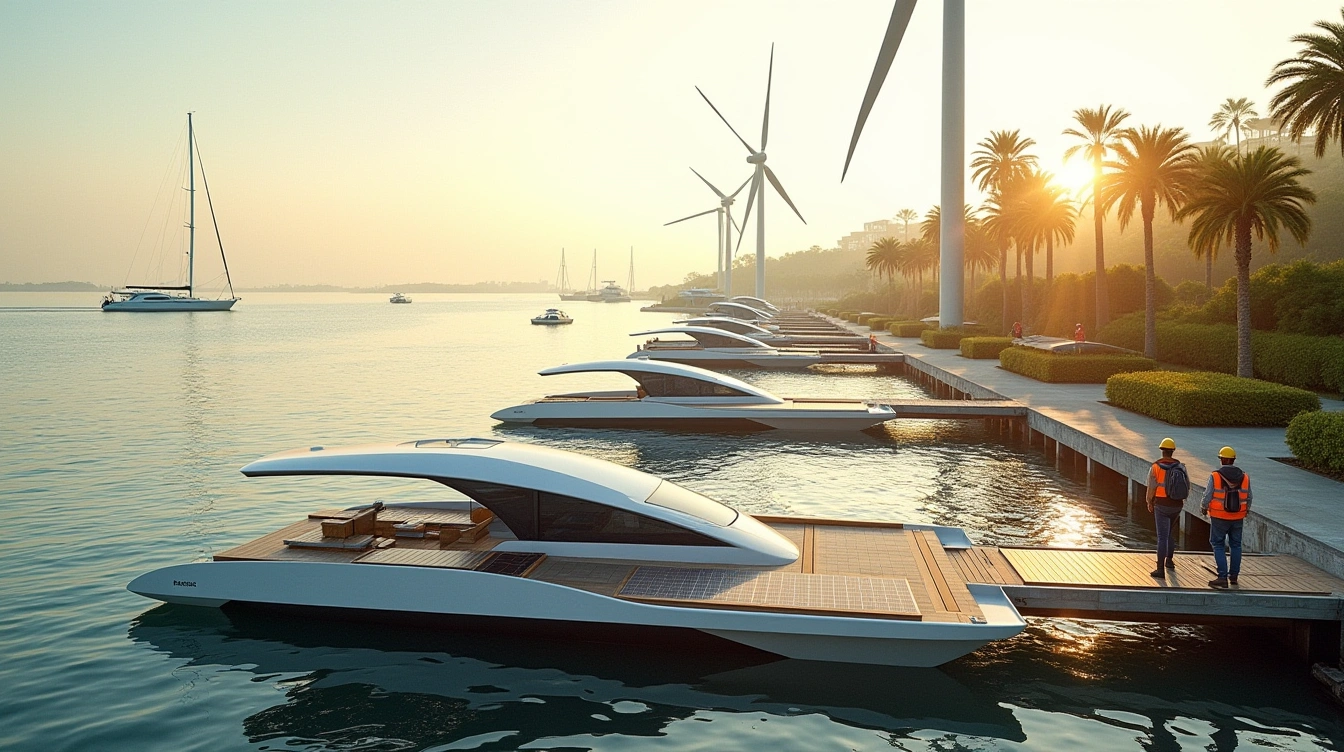
Renewable energy integration transforms marinas into self-sustaining hubs. Solar panel canopies over boat slips generate clean electricity while providing vessel protection. Wind turbines designed specifically for coastal environments complement these installations, creating energy-positive facilities that reduce operational costs significantly.
Digital solutions revolutionize environmental management through IoT sensors that track everything from water temperature to fuel spill detection. These systems provide instant alerts and comprehensive data analysis, enabling marina operators to maintain strict environmental standards while optimizing resource usage.
Innovative materials like permeable concrete and bio-based composites enhance durability while supporting natural water filtration. These technologies, combined with automated waste management systems, represent the future of sustainable marina development where environmental protection and operational excellence converge seamlessly.
Your Questions About Sustainable Marina Construction
Marina development involves complex considerations that property owners and developers frequently encounter. Understanding the key aspects of sustainable construction helps navigate this specialized field more effectively.
What are the environmental considerations when building a new marina?
Environmental factors include water quality protection, marine habitat preservation, sediment management, and minimizing disruption to local ecosystems through eco-friendly materials and construction methods.
How much does it cost to build a marina from scratch?
Marina construction costs vary significantly based on size, location, and features, typically ranging from $100 to $1,000 per square foot of water area.
What permits and regulations are required for marina development?
Marina projects require multiple permits including environmental assessments, coastal zone permits, Army Corps of Engineers approvals, and local zoning compliance depending on jurisdiction.
How long does it typically take to complete a marina construction project?
Timeline varies by project scope, but typical marina construction takes 12-36 months from permit approval to completion, including weather and regulatory considerations.
What are the best sustainable materials for marina construction?
Sustainable options include recycled plastic lumber, aluminum alloys, concrete with fly ash content, and composite materials that resist corrosion while minimizing environmental impact.